Almost every week, a guest sits down across from me at a follow up and asks the same question. Why does my filler never last as long as the chart says it should. The chart says twelve months. The internet says twelve months. The brochure on the way in says twelve months. They are back at five. The number is not the lie. The story underneath it is just more complicated than the brochure can fit.
Hyaluronic acid filler does integrate. It does sit in your tissues for the better part of a year, sometimes two. But it integrates as a soft, water binding scaffold inside a face that is talking, smiling, sleeping, ageing, and being rubbed against a pillow every night. The chart is the average. Your face is not the average. Here are the five reasons your last syringe disappeared faster than you expected.
1. The product was the wrong family for the placement.
Modern HA fillers come in families. Juvederm has Voluma, Vollure, Volbella, and Ultra. Restylane has Lyft, Defyne, Refyne, Kysse, and Contour. Each one is engineered for a different tissue depth and a different movement pattern. Volbella in the lip will look beautiful for ten months. Volbella in the cheek will be gone in five. A provider who reaches for the same syringe regardless of the zone is a provider who will keep selling you syringes.
If you have had filler that vanished quickly, ask, by name, what product went where. Then ask why that product was chosen for that zone. You should hear a real answer about lift, integration, and water binding. You should not hear "it is what we have."
2. You were under dosed for the goal.
This is, by far, the most common reason filler does not seem to last. A face that has lost a teaspoon of midface volume over a decade does not get rebuilt with half a syringe. It gets rebuilt with one and a half, sometimes two, dosed over two visits. When you under dose, the visible result lasts a few months and then drifts back to baseline, not because the product is gone, but because there was not enough of it to hold the change in the first place.
I would rather tell a guest "the right plan is two syringes over six weeks" and watch them say no than promise them the result in one. Aesthetic medicine is the only field of medicine where the conservative answer is also the more honest one.
3. You move that part of your face a lot.
This is the variable no one accounts for. The cheek is a relatively calm tissue. The lips are not. The chin is calmer than the lips but louder than the cheek. The corners of the mouth and the perioral lines are some of the most active tissue on the human face, which is exactly why they are the first to crease and the first to swallow filler.
If you are a wide smiler, an expressive talker, or you grew up speaking a language with a lot of lip work in it, your lower face is going to metabolize filler faster than the chart predicts. That is not a flaw. It is biology. The fix is not more product. The fix is sometimes a small dose of neuromodulator alongside the filler, which calms the movement that breaks the product down. We call it a balance, not a top up.
4. You restarted exercise too soon.
I am going to lose some readers here. Heat, heart rate, and lymphatic drive all influence how quickly HA gels integrate and how long they hold. The first seventy two hours after an injection are when the gel binds water and settles into the tissue. If you ran ten miles the morning after, sat in a sauna the afternoon after that, and flew to Miami on day three, you did not have a metabolism problem. You had a recovery problem.
Our written protocol is straightforward. No strenuous exercise for forty eight hours. No saunas, hot yoga, or steam for one week. No flights longer than three hours for seventy two hours. Most guests can do this. The ones who cannot are also, almost always, the ones who are back four months early.
"If you only do one thing differently the second time around, give your face the first three days. Quiet, hydrated, no heat. You will be shocked at how much longer the result holds."
5. The product was massaged out of place.
Sleeping face down. Aggressive lymphatic massage in the first week. A facialist who, with the best of intentions, ran their hands across your cheeks during a Hydrafacial three days post injection. All of it shifts product before it has had a chance to integrate. HA integrates around twelve weeks. Until then, treat the area like a setting cake.
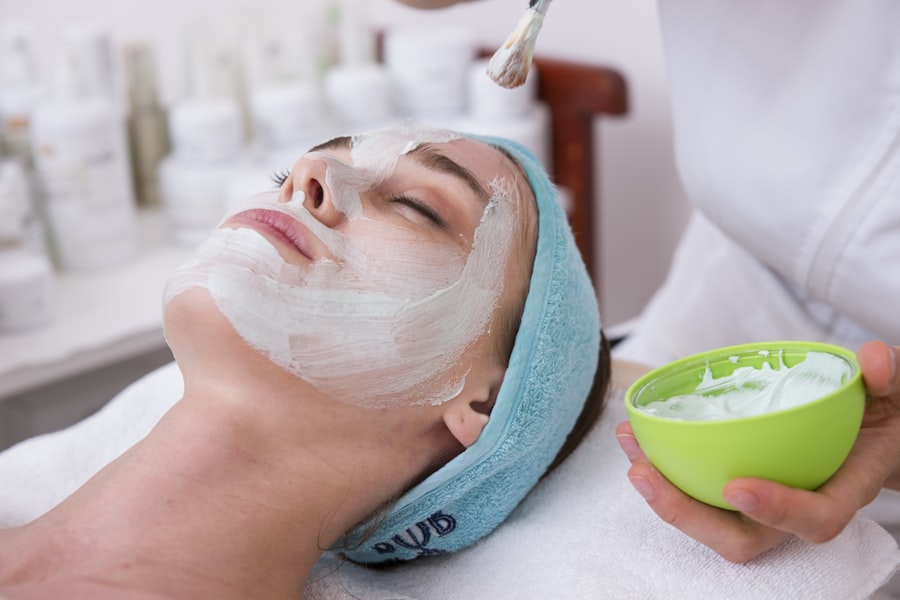
This is also why, at this studio, we will not run an injectable patient through a microneedling appointment, a deep facial, or an aggressive peel for at least two weeks on either side. The order matters. The calendar matters. A small change in scheduling is sometimes the difference between a syringe that lasts ten months and a syringe that lasts five.
The honest summary.
Sometimes filler genuinely does dissolve fast on a particular face. It is rare, and it is not a referendum on you. But before you accept that explanation, walk through this list with whoever is injecting you. Ask them which product went where, and why. Ask them whether the goal was reachable with what you paid for. Ask them whether your movement pattern argues for a small dose of Tox alongside. Ask them what you did, and did not do, in the first seventy two hours afterward. The answer is almost always in there somewhere. And the second round, the one where you build the plan together, almost always lasts the way the brochure said it would.