The skin you have in February is not the skin you had in August. It is not the skin you had in October, either. By the time the heat is running constantly indoors and the air outside is moving at thirty percent humidity, your barrier is in a different conversation entirely. A routine that worked beautifully in summer can leave you tight, flaking, and reaching for an extra moisturizer that does not quite get there. The fix is not more product. It is the right shape of product, in the right order, with one or two seasonal swaps.
Here is what we tell our members when the air turns. It is shorter than you think. Five steps, two minutes in the morning, four minutes at night.
The principle that matters most.
Winter is a barrier story. Cold air holds less water. Heated indoor air holds even less. The lipid mortar between your skin cells, the part that keeps water in, gets stripped by hot showers, hand sanitizer, and the small over washing habits we all develop in flu season. The goal of your winter routine is not to add more actives. It is to protect, hydrate, and seal. Most flaking skin in January is not deficient in retinol. It is deficient in fat.
Once you understand this, the routine designs itself. You strip less, you layer water before oil, and you seal everything at the end with something occlusive enough that your skin can quietly rebuild underneath it through the night.
The five products.
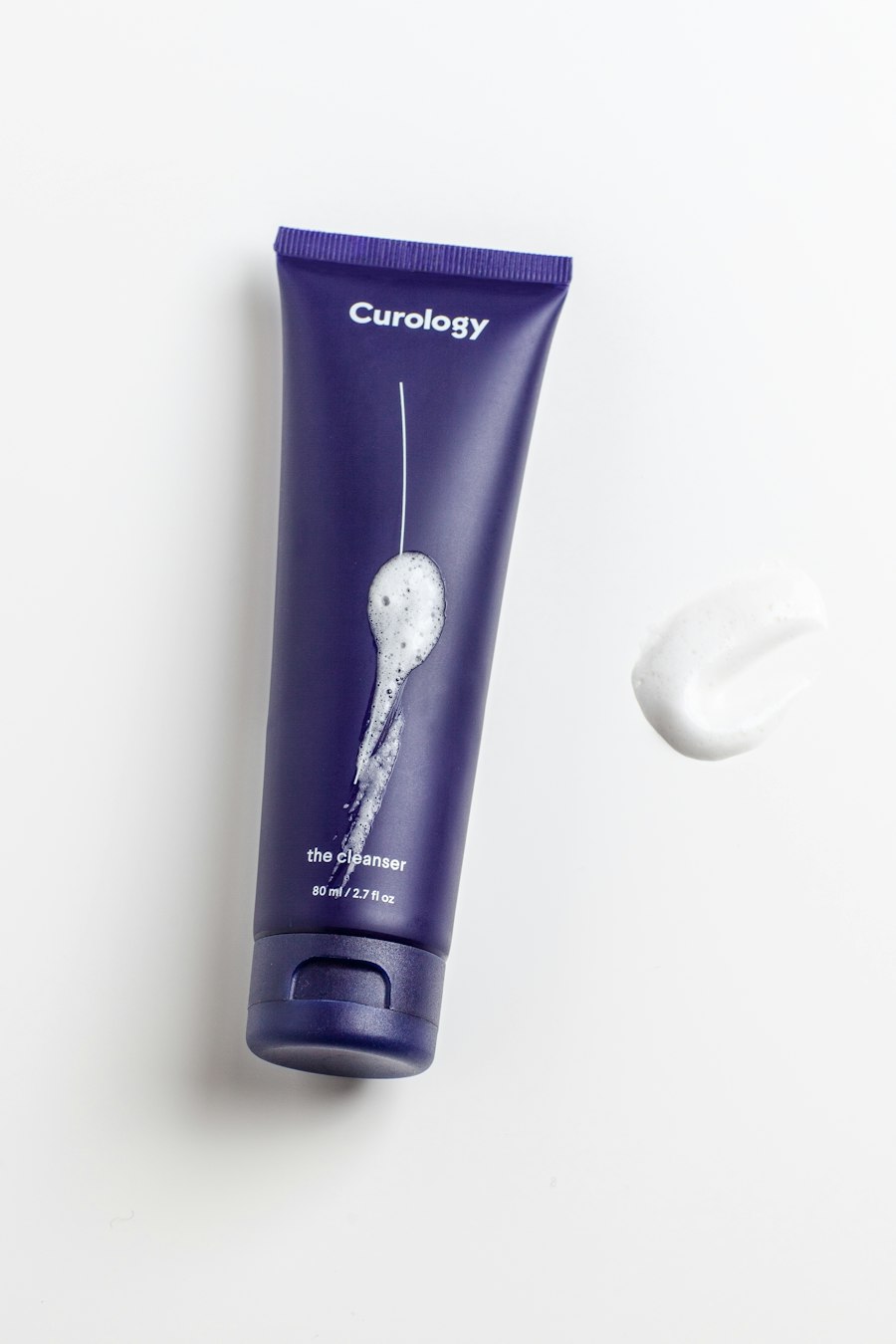
One. A cream cleanser, not a foaming one.
Foaming cleansers, especially the ones with sulfates, are wonderful at removing makeup and far too efficient at removing lipids. Trade them for a gentle cream or milk cleanser from October through March. CeraVe Hydrating, La Roche Posay Toleriane, or Naturium Mirror Skin Refining cleanser all work. The morning rinse is sometimes just water. Twice in twenty four hours is the maximum.
Two. A humectant serum with hyaluronic acid and panthenol.
Apply this to slightly damp skin, not bone dry skin. The whole point of a humectant is to bind water into the upper layers, and it cannot do that if you have given it nothing to bind. Skinceuticals Hyaluronic Acid Intensifier or the Inkey List Multi Biotic Barrier Serum are both honest products. A few drops is enough.
Three. A ceramide forward moisturizer.
This is the step that most people under invest in. A serious winter moisturizer is rich, slightly heavy, and contains ceramides, fatty acids, and cholesterol. The three together are the building blocks your barrier actually uses. Look for ceramides one, three, and six two on the ingredient list. Embryolisse Lait Creme Concentre, Avene Tolerance Extreme, or CeraVe Moisturizing Cream are all good enough that an experienced aesthetician will not roll her eyes at them.
Four. A real sunscreen, every morning.
Winter sun on a clear day reaches the same UVA exposure as a partly cloudy summer afternoon. Skip it for a week in February and your hyperpigmentation will be louder by March. Most of our providers use Elta MD UV Clear SPF 46 or Beauty of Joseon Relief Sun. The texture you will actually wear is the texture that protects you.
Five. An occlusive, at night, on the dry spots.
This is the move most people miss. A small layer of an occlusive over your night cream traps water and lipids in place while you sleep. The clinic favorite is Vaseline, applied as a thin layer over the cheeks and around the mouth. The viral name for it is slugging. The clinical name for it is a barrier seal. It works. Just do not pile it onto an oily T zone or anywhere prone to congestion.
What to pull out of rotation.
Cut your retinoid frequency by one night a week for the coldest stretch. If you are at four nights a week, drop to three. If you are at three, drop to two. Hold strong glycolic and salicylic acids until you see your skin settle. Do not abandon them. Just space them. Most flare ups in January are stacking errors, not active ingredient failures.
Also reconsider how often you exfoliate physically. A grainy scrub on dry, cold weather skin is a small disaster. If you must exfoliate, a gentle enzyme mask once a week is enough. Our aestheticians prefer to handle the heavy lifting in studio, where we can read your barrier in person and call audibles.
"In the winter, I tell every patient the same thing. If you only do three of the five steps, make them the cream cleanser, the ceramide moisturizer, and the morning SPF. The rest is upside."
The in studio swap.
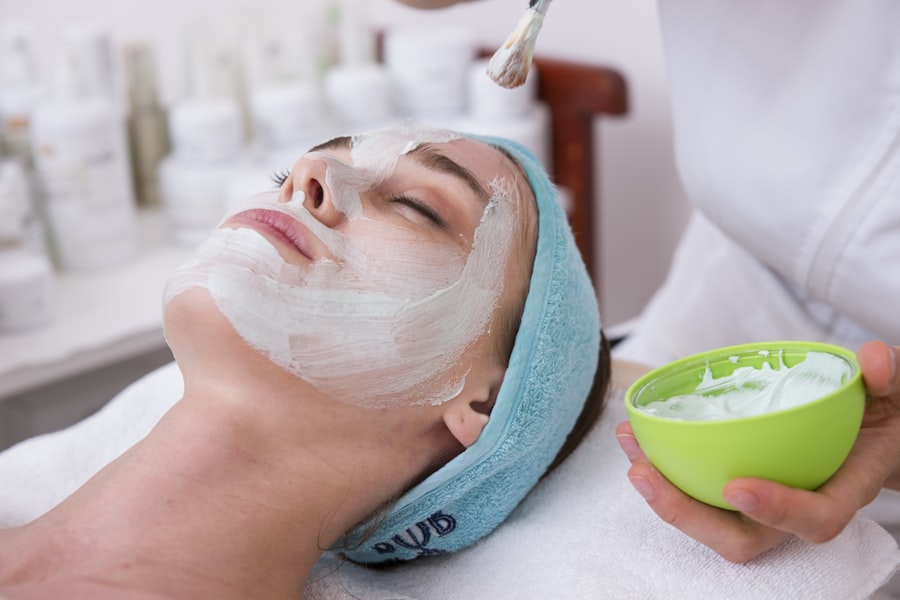
If you usually book a Hydrafacial, swap one of your winter visits for our hydrating signature facial with a low percentage lactic peel and twenty minutes of red light. It rebuilds the barrier instead of resurfacing it, which is exactly what cold air calls for. Save the deeper resurfacing work for late October or late March, when your skin has a longer recovery runway and less aggressive weather to deal with.
The other quiet winter favorite is a series of three Laser Genesis sessions. It does not break the surface, it warms the dermis gently, and it is the only laser we will run on a guest who has been struggling with redness in cold air. It is not flashy. It also does not ask your skin to recover during the worst possible month.
How long it takes to feel different.
Most barriers stabilize in seven to ten days on a real winter routine. Tightness eases first. Flaking takes a little longer to clear, usually two weeks. By week three, your skin looks calmer in photographs, the morning makeup application stops sliding, and your foundation finishes the day looking the way it did at nine in the morning. None of this is dramatic on the surface. All of it is the right kind of skin care, which is the kind you can sustain in February without thinking about it.